
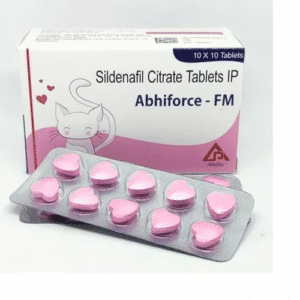
Sildenafil, commonly known by its brand name Viagra, is a medication primarily used to treat erectile dysfunction (ED) in men. It was first approved by the U.S. Food and Drug Administration (FDA) in 1998 and has since become one of the most well-known treatments for ED. The active ingredient in Viagra is sildenafil citrate, which belongs to a class of drugs known as phosphodiesterase type 5 (PDE5) inhibitors.
Sildenafil works by inhibiting the PDE5 enzyme, which is responsible for breaking down cyclic guanosine monophosphate (cGMP) in the body. During sexual stimulation, nitric oxide is released in the corpus cavernosum of the penis, leading to increased levels of cGMP. This molecule causes smooth muscle relaxation and vasodilation, allowing increased blood flow into the spongy erectile tissue of the penis, resulting in an erection.
Sildenafil is indicated for the treatment of erectile dysfunction. It helps men achieve and maintain an erection sufficient for satisfactory sexual performance. The medication is effective only when there is sexual stimulation. Additionally, sildenafil is used under the brand name Revatio to treat pulmonary arterial hypertension (PAH), a condition characterized by high blood pressure in the vessels carrying blood to the lungs.
For erectile dysfunction, sildenafil is typically prescribed at a starting dose of 50 mg taken as needed about one hour before sexual activity. Depending on efficacy and tolerability, this dose may be increased to a maximum of 100 mg or decreased to 25 mg. It should not be taken more than once per day. For PAH, sildenafil is usually prescribed at lower doses taken multiple times a day.
Common side effects of sildenafil include:
Serious side effects are rare but can include sudden vision loss, hearing loss, or an erection lasting more than four hours (priapism). If any of these occur, medical attention should be sought immediately.
Sildenafil should not be used by individuals taking nitrates for chest pain or those with certain cardiovascular conditions due to the risk of a significant drop in blood pressure. It is also contraindicated in patients with known hypersensitivity to sildenafil or any component of the tablet.Patients should inform their healthcare provider about all medications they are taking and any underlying health conditions before starting sildenafil. This includes discussing any history of heart disease, stroke, liver or kidney disease, or eye disorders like retinitis pigmentosa.
Sildenafil can interact with other medications, potentially leading to adverse effects. Notable interactions include:
Patients should consult their healthcare provider before using sildenafil with other prescription or over-the-counter medications.
Sildenafil is not recommended for use in women or children under 18 years old. Elderly patients may require dosage adjustments due to potential age-related changes in drug metabolism.
Sildenafil remains a widely used and effective treatment for erectile dysfunction. Its ability to enhance blood flow to the penis helps men achieve satisfactory erections when sexually stimulated. While generally safe when used as directed, patients should be aware of potential side effects and interactions with other medications. Consultation with a healthcare provider is essential before starting treatment with sildenafil to ensure it is appropriate based on individual health conditions and other medications being taken.
Only logged in customers who have purchased this product may leave a review.
happy customers from all over the world
orders fulfilled
on time delivery

© Copyright 2024 Made By Design Web Masters


Reviews
There are no reviews yet.